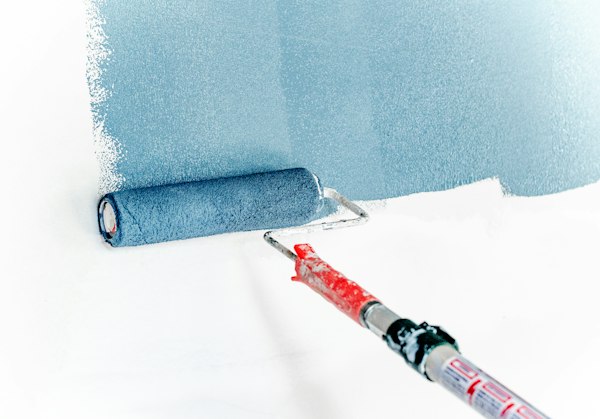
Ask any professional painter in KL what separates a paint job that lasts 5 years from one that peels within 12 months — and they'll say the same thing: surface preparation. 90% of paint failures are caused by poor prep, not poor paint.
Step 1: Clean the Walls Thoroughly
Dust, grease, mould spores, and efflorescence all prevent paint from bonding. Wash walls with sugar soap solution and a sponge, working top to bottom. In kitchens, degrease with diluted dish soap first. For external walls with algae, use a 1:4 bleach-to-water solution. Allow walls to dry completely — 24–48 hours minimum in KL's humidity — before painting.
Step 2: Remove All Loose and Flaking Paint
Use a putty knife and wire brush to scrape off any existing paint that's bubbling, peeling, or loose. Painting over loose paint is the single most common reason for new paint to peel — the new coat bonds to the old loose layer, not the wall. Sand the edges of scraped areas to feather them smooth.
Step 3: Fill Cracks and Holes
Hairline cracks (under 1mm) can be filled with Nippon Fill-It or Dulux Polyfilla. Apply with a putty knife, allow to dry, and sand smooth. For wider cracks (1–3mm), use a flexible filler to accommodate movement. Cracks wider than 3mm may indicate structural movement and should be assessed by a professional before painting.
Step 4: Apply Skim Coat If Walls Are Rough
Many KL walls have an uneven plaster finish with pinholes and trowel marks. A skim coat — a thin layer of finishing plaster — gives a flat, hotel-quality base for painting. This adds cost (RM2–4 per sq ft) but the quality difference in the final finish is dramatic.
Step 5: Apply a Primer/Sealer
Primer is non-negotiable on: bare plaster, walls with water stains, previously damp areas, and when painting light over dark. Nippon Sealer and Dulux Primer Sealer are the most used in KL. Allow at least 4 hours before top-coating.
Common Prep Mistakes That Cause Paint Failure
Painting over damp walls — very common during monsoon season in KL — leads to bubbling and peeling within weeks. Skipping primer on bare plaster causes uneven sheen. Not removing mould before painting means it grows through the new coat within months.
Frequently Asked Questions
Do I need skim coat before painting?
Not always — but if walls are rough, have visible trowel marks, or pinholes, skim coat dramatically improves the final finish. For smooth plaster in good condition, thorough sanding and primer is sufficient.
Can I paint over mould?
No. Painting over mould is a waste of money — it grows back through the new coat within weeks. Kill it with a bleach solution, dry the area completely, fix the moisture source, then paint with anti-mould formulation.